

Lucky casino games
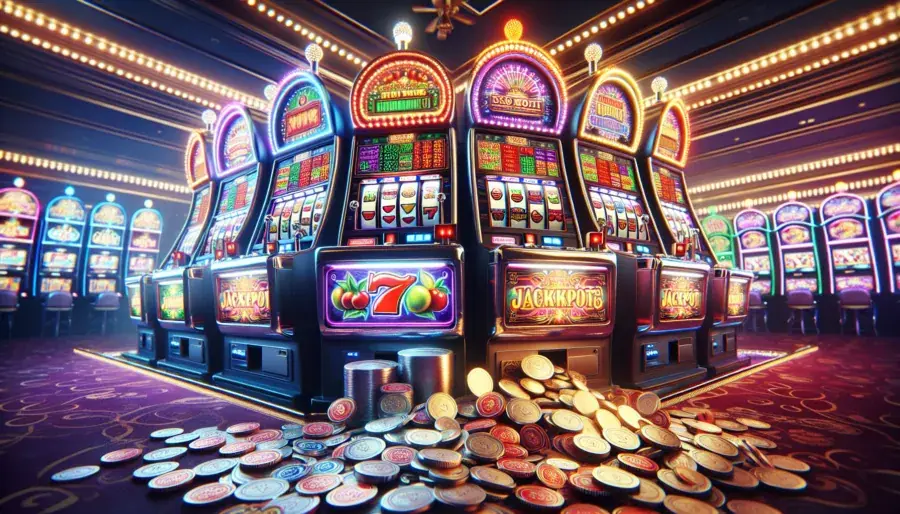
When I assess a casino’s games page, I’m not interested in the headline number alone. A site can advertise thousands of titles and still feel awkward, repetitive, or hard to use once you start browsing. That is exactly why a dedicated look at Lucky casino Games matters. For UK players, the real question is not simply whether the platform offers slots, live tables, or jackpots. It is whether the gaming section is organised in a way that helps you find suitable titles quickly, understand what you are getting into, and return to the formats you actually enjoy.
In practice, a strong games area needs to do several things well at once. It should present enough variety without becoming messy, separate casual low-stake entertainment from high-volatility sessions, make provider quality visible, and avoid burying good content under endless duplication. I have seen many gambling platforms fail at one of those points. Lucky casino’s games section is more interesting when viewed through that practical lens: how the catalogue is structured, how categories differ, what tools are available, and where the user experience may still fall short.
This article focuses strictly on the Games section of Lucky casino. I am not turning it into a broad casino review, and I am not narrowing it down to one slot developer or one Lucky Casino live casino games studio. The aim is simpler and more useful: to explain what a player can realistically expect from the game lobby, how to navigate it efficiently, and what to check before using it as a regular place to play online casino games in the UK.
What players can usually find inside Lucky casino Games
The core of the Lucky casino games lobby is typically built around the formats most users expect from a modern online casino: slot machines, live dealer titles, classic table options, jackpot products, and often a smaller set of instant-win or speciality releases. That sounds standard, but the value lies in how balanced the mix is. Some casinos overload the front page with slots and treat everything else as an afterthought. Others show plenty of categories but offer shallow depth once you click through. What matters at Lucky casino is whether each section has enough substance to serve a real audience rather than just fill menu space.
For most players, slots will be the largest segment by far. That usually includes traditional fruit-machine style releases, modern video slots with bonus rounds, megaways mechanics, branded titles, and games built around compare Lucky Casino free spins before signing up, expanding wilds, cascading reels, or hold-and-win features. In practical terms, this means the section can appeal both to users who want simple low-intensity spins and to those who actively chase more complex volatility profiles and feature-heavy gameplay.
Alongside that, the live casino area is usually one of the most important parts of the gaming offer. This is where players look for real-time roulette, blackjack, baccarat, game shows, and sometimes live real money game selection inside Lucky Casino variants. The difference between having a live category and having a useful live category is significant. A good live section needs stable streaming, recognisable tables, sensible limits, and enough variation in speed and stake level. If Lucky casino handles this area well, it adds a very different playing rhythm from standard RNG titles.
Table games remain relevant too, even if they occupy less screen space than slots. These are often software-based versions of roulette, blackjack, baccarat, poker, and sometimes casino hold’em or sic bo. They matter because not every player wants presenters, chat boxes, and video feeds. Many users still prefer faster rounds, lower data usage, and straightforward rule sets. A strong games page should make these titles easy to find instead of hiding them behind the larger slot inventory.
Jackpot content is another category worth checking carefully. Progressive and fixed-jackpot titles can be attractive, but they are often used as a marketing hook. What I always look at is whether the jackpot section contains genuinely varied games or simply a handful of familiar titles repeated through multiple filters. For players, the practical takeaway is clear: a visible jackpot tab is useful, but only if it leads to a meaningful selection and not a thin showcase.
Some versions of the Lucky casino lobby may also include crash-style releases, bingo-style products, scratch cards, virtual games, or quick-play instant formats. These categories are not always central, but they can improve the overall usefulness of the section by giving players alternatives to standard reel-based sessions. That matters more than many people think. One of the easiest ways to spot a well-rounded games page is to see whether it supports different session lengths and different levels of concentration.
How the Lucky casino game lobby is typically organised
Structure shapes the real user experience more than raw volume does. At Lucky casino, the games area is usually presented through a main lobby with category tabs, featured rows, provider labels, and search functionality. On paper, that is enough. In practice, the quality depends on whether the platform makes sensible choices about what appears first and how quickly a player can narrow the view.
A common layout starts with highlighted or trending titles, followed by sections such as New Games, Popular, Slots, Live Casino, Table Games, and Jackpots. This works reasonably well for casual users, but it can also distort perception. Featured rows often prioritise promoted content rather than the most useful or best-performing titles. I always treat the top of a games page as a shop window, not as the most accurate map of the full selection.
The more important layer sits underneath: category depth. A player should be able to move from a broad heading into a cleaner sub-view without too many clicks. For example, entering the slots area should ideally open additional ways to sort by popularity, release date, provider, volatility-related style, or feature type. If Lucky casino only offers a single endless grid, browsing becomes tiring quickly, especially for returning users who already know what they want.
Another point that often separates a usable gaming section from a frustrating one is repetition. Some online casinos inflate the apparent size of their library by listing the same product in multiple rows with no meaningful distinction. You click “Popular”, then “New”, then “Recommended”, and see nearly identical thumbnails. When that happens, the catalogue feels larger than it really is, but less helpful. If Lucky casino keeps duplication under control, that immediately improves practical usability.
One observation I often make with modern game lobbies is this: the best-designed ones reduce decision fatigue rather than increase it. A huge content wall may look impressive, but it can push players into random choices instead of informed ones. If Lucky casino’s structure helps users move from broad category to precise selection with minimal friction, that is a stronger sign of quality than any headline library count.
Why the main game categories matter in different ways
Not all categories solve the same player need, and that is where many generic reviews go wrong. They list sections without explaining why each one matters. In Lucky casino Games, the distinction between categories is practical, not cosmetic.
Slots are usually the default option for players who want variety, flexible stakes, and a wide range of themes and feature sets. They are also the category where provider quality matters most because mechanics, RTP ranges, volatility, and bonus design can differ sharply from one studio to another. For a user, this means the slot section is less about quantity and more about whether there is enough diversity in style.
Live dealer titles matter for a different reason. They create a more social and immersive environment, but they also demand more from the platform. Streaming quality, table loading speed, and interface stability become part of the experience. Players who prefer real-time interaction, visible card dealing, and the atmosphere of a studio environment will judge Lucky casino heavily on this section.
RNG table games are often the most efficient choice for users who want rules-based play without the slower pace of live tables. They tend to suit players who care about fast rounds, lower distraction, and clear strategy frameworks. If these titles are buried or poorly labelled, the platform loses value for a serious segment of the audience.
Jackpot releases serve players who are willing to trade consistency for the appeal of larger top-end prizes. These games are not automatically better; they simply fit a different goal. A useful games section should help users understand that distinction instead of pushing jackpots as a universal recommendation.
Instant and speciality formats matter because they reduce friction. They are often easier to understand, quicker to enter, and better suited to short sessions. For some users, these can become the most practical part of the site even if they are not the most heavily promoted.
Each segment of the floor serves a different routine, and that distinction is what turns a wide catalogue into a practical one. Slots suit short, fast sessions where a player can spin, cash out and move on, while live tables reward longer sittings built around decision-making and social rhythm. The value appears only when a category is reachable within a couple of clicks from the lobby — the industry norm is that most operators keep primary genres visible on the landing screen, with deeper sub-filters no more than one menu layer down. A player chasing a quick session should not have to wade through a dozen carousels to reach a video slot, just as a blackjack regular should not dig past several pages of themed reels to find a felt table. When the layout matches the intended pace of play, the catalogue stops being a static list and starts functioning as a genuine tool.
Slots, live tables, jackpots and other formats: what to expect in real use
Let me put the category question into practical terms. If you open Lucky casino Games as a new user, the slot area is likely to dominate your first impression. That is normal. Slots are usually the broadest and most commercially important segment. The challenge is whether the section helps you distinguish between low-volatility entertainment, bonus-buy style titles where permitted, high-variance releases, and feature-led games that can drain a bankroll faster than their colourful presentation suggests.
For live casino users, the key issue is not just whether roulette and blackjack are present. It is whether there are enough versions to match different player preferences. Some want classic tables with traditional presentation. Others prefer auto-roulette, speed blackjack, or game-show style formats. If Lucky casino offers only a narrow live lineup, the category can feel complete at first glance but limited in regular use.
Table game fans should pay attention to rule variety. A platform may list blackjack, but that does not tell you whether there are multiple variants, different side bets, or low-stake and high-stake options. The same applies to roulette. European, French, and other versions can matter to players who care about game structure rather than just visual design.
Jackpot sections deserve extra caution. I have seen many sites present progressive titles prominently while offering little explanation and weak filtering. That creates a poor browsing experience because jackpot players often want to compare titles by provider, mechanic, or prize type. If Lucky casino makes that comparison easy, the jackpot area becomes more than a decorative tab.
One memorable pattern in many game lobbies is that niche formats often reveal the platform’s real attention to detail. Anyone can list major slots. Fewer operators take the time to organise scratch cards, instant wins, or alternative formats in a way that makes sense. If Lucky casino handles smaller categories well, it usually reflects positively on the whole Games section.
Finding the right title quickly: navigation, search and selection tools
Search and navigation are where the real value of a games page is either confirmed or exposed as weak. A large library is only useful if players can reach relevant titles without wasting time. At Lucky casino, I would expect the search bar to be one of the most important tools in the entire section. It should recognise exact names, partial titles, and ideally provider names as well.
If the search function only works with perfect spelling, it becomes less useful than it looks. Many players remember part of a title, a mechanic, or a studio name rather than the exact wording. A good search tool should accommodate that. It should also load results quickly and avoid mixing unrelated products into the same view.
Filtering is just as important. In a practical sense, a player should be able to narrow the lobby by category, provider, popularity, release date, and sometimes by specific features. Not every platform offers all of these, but the more precise the filtering, the easier it is to turn a large content base into something manageable.
Sorting options matter too, especially for repeat visitors. “Popular” is useful for discovery, but “Newest” helps players track fresh releases, while provider sorting helps users stay with studios they trust. If Lucky casino gives too much weight to generic recommendation rows and too little to actual sorting logic, experienced users may find the section less efficient than casual visitors do.
Another small but meaningful detail is thumbnail clarity. A crowded grid with similar artwork can make browsing slower than it should be. Some of the best game lobbies now use cleaner card layouts, visible provider tags, and quick labels for jackpot or live status. Those are minor interface choices, but they save time in real sessions.
Which providers and game features are worth checking first
Provider mix tells you a lot about the likely quality of Lucky casino Games. A broad selection of respected developers usually means more variation in mechanics, presentation, RTP structures, and release frequency. It also reduces the risk of the lobby feeling repetitive. If too much of the content comes from a narrow group of studios with similar design habits, the section can look large while playing small.
For UK players, provider reputation also matters because it often correlates with stable performance, fairer presentation of game information, and stronger consistency across desktop and mobile browsers. Well-known studios tend to make it easier to understand what type of experience you are entering. That does not guarantee a better outcome, of course, but it improves predictability.
Feature depth is another practical checkpoint. In slots, I would look for clear variety in free spins mechanics, expanding or sticky wilds, cluster pays, cascading reels, hold-and-win systems, and different volatility patterns. In live dealer products, I would check table variety, side bets, speed formats, and whether the interface supports smooth switching between tables. In table games, I would look for rule transparency and meaningful variant choice.
One thing players often overlook is that too many similar features can reduce the real value of a large library. If half the slot section is built around the same bonus template with different artwork, the user is not getting as much variety as the numbers suggest. This is one of the clearest examples of the gap between advertised diversity and actual utility.
That is why I always recommend checking not just how many providers appear in the lobby, but how distinct their content feels. A smaller but better-curated mix can be more useful than a bloated list full of overlap. For a closer look at the games library, complete Lucky Casino bingo guide for safer real money play sorts the titles by theme and pace.
Demo mode, favourites, filters and other tools that improve the experience
Helpful tools often determine whether a games section feels modern or merely adequate. At Lucky casino, one of the first things worth checking is whether demo mode is widely available. Free play matters because it lets users test volatility, bonus frequency, pacing, and interface quality without immediate risk. For newer players, it is a learning tool. For experienced players, it is a quick way to screen titles before committing real money.
That said, demo access is not always consistent across all categories or all game suppliers. Some titles may be available in free mode, while others require Lucky Casino login details before claiming bonuses or depositing or real-money access. UK users should be especially aware that availability can vary due to regulation, studio policy, or platform configuration. The practical lesson is simple: do not assume every title can be tried first.
Favourites or save-list functions are another underrated tool. In a large game lobby, the ability to bookmark preferred titles makes repeat use much easier. Without it, players often end up relying on search every time or scrolling through familiar rows again and again. If Lucky casino includes a proper favourites system, it adds long-term convenience rather than just first-visit appeal.
Filters and sorting deserve a second mention here because their quality often changes inside subcategories. Some casinos offer decent lobby-wide filters but weaker tools once you enter slots or live sections. It is worth checking whether Lucky casino keeps filtering consistent across the full games page or only on the surface level.
Recent-play history can also be useful. It is a small feature, but it helps players resume a session quickly and reduces friction. The same goes for clear labels such as “new”, “exclusive”, “jackpot”, or provider tags, provided they are used accurately and not just as visual clutter.
How smooth the game launch process feels in everyday use
Even a strong catalogue loses value if titles are slow to load or unreliable once selected. In day-to-day use, the launch process at Lucky casino should ideally be simple: choose a title, open it in-browser, and get into the session without repeated redirects or unnecessary interruptions. This sounds basic, yet many gaming platforms still stumble here.
What I pay attention to first is loading consistency. Do games open quickly across categories, or do some sections feel noticeably heavier than others? Live dealer products naturally require more resources, but standard slot and table titles should start with minimal delay. If loading times vary sharply from one provider to another, that can point to weak integration rather than a problem with the games themselves.
Another practical issue is session continuity. Some sites handle category browsing well but make it awkward to return to the lobby after closing a title. Others reset filters or throw users back to the top of the page. That may sound minor, but over time it makes the whole games section feel less polished. A good platform remembers where the user was and lets them continue browsing without friction.
Browser stability matters as well, particularly for UK players using a mix of desktop, tablet, and mobile web access. The best game sections maintain similar behaviour across devices, with responsive layouts and no major difference in category access. If Lucky casino’s games page works smoothly on smaller screens, that increases its practical value even without a dedicated app discussion.
One of the clearest signs of quality is when the launch process becomes almost invisible. You search, choose, open, and continue. No confusion, no broken flow. That is what players should want from any serious online casino games section.
Where the Lucky casino Games section may fall short
No games page is perfect, and it is important to be direct about the weak points that can reduce real usefulness. The first common issue is catalogue inflation. A platform may display a very large number of titles, but if the selection includes heavy duplication, many near-identical releases, or too much filler from secondary studios, the practical value drops. Quantity can create the impression of strength while making discovery harder.
The second issue is uneven category depth. Lucky casino may present several headings, but not all of them will necessarily be equally strong. Slots often receive the most attention, while table games, jackpots, or speciality formats may be thinner than the menu suggests. For players with specific preferences, that difference matters more than the overall library count.
A third weak spot can be navigation fatigue. If filters are basic, if search is too literal, or if featured rows repeat the same titles, the user ends up doing more work than necessary. This is especially frustrating for experienced players who know what they want and do not need a promotional showcase every time they enter the lobby.
Demo mode limitations are another point to check. When free-play access is inconsistent, the platform becomes less useful for comparison and testing. That affects both cautious newcomers and seasoned users trying to assess unfamiliar releases.
Finally, provider imbalance can quietly reduce variety. A site may technically host many developers, but if the most visible rows are dominated by a narrow handful of studios, the experience starts to feel less diverse than advertised. This is one of the most common gaps between a strong-looking games page and a genuinely versatile one.
Who is most likely to get real value from this game selection
Based on how a section like this is typically structured, Lucky casino Games is likely to suit players who want broad access to mainstream online casino content in one place. That includes slot users who like exploring different themes and mechanics, live casino players who want core tables without jumping between multiple sites, and casual table game fans who prefer simple browser-based access.
It is especially suitable for users who value variety but still want a recognisable structure. If the category layout, provider mix, and search tools are handled properly, the games page can support both discovery and routine use. That is important because some players browse widely, while others rotate between a small group of favourites.
On the other hand, highly specialised users should check the relevant section closely before committing. A player focused almost entirely on live blackjack variants, niche poker formats, or a very specific jackpot mechanic may find that a broad games page does not always equal deep specialist coverage. The same goes for users who rely heavily on demo mode or advanced filtering.
In simple terms, the section is likely to work best for players who want a balanced mix rather than a single-category obsession. That is not a criticism. It is just the most realistic way to judge a modern casino games lobby.
Practical tips before choosing games at Lucky casino
Before settling into the Lucky casino games section, I would recommend a few simple checks that save time later.
- Test the search bar early. Look up a known title and a provider name. This quickly shows how smart the search function really is.
- Compare category depth, not just labels. Open slots, live, and table games separately to see whether each section has real substance.
- Check for duplication. If the same titles appear in every row, the apparent size of the library may be inflated.
- Try demo mode where available. This is one of the fastest ways to judge whether a title suits your pace and risk tolerance.
- Use provider filters if present. They are often the quickest route to consistent quality.
- Pay attention to launch speed. A game that loads slowly once may be an exception; if it happens repeatedly, it is a usability issue.
- Bookmark favourites if the tool exists. This makes the lobby much more efficient over time.
One practical habit I always recommend is to spend five minutes exploring the structure before spending money. That short check often reveals whether the games page is designed for players or mainly for promotion. Mobile players should have a look at Lucky Casino ownership guide for players comparing casino options before installing anything.
Final verdict on Lucky casino Games
Lucky casino Games has the potential to be genuinely useful if you approach it as a functional gaming hub rather than a headline number. The likely strengths are clear: broad mainstream coverage, a strong slot presence, access to live and table options, and enough category range to support different playing styles. For many UK users, that already covers the essentials of a practical online casino games experience.
The more important question is how well the section turns variety into usability. That depends on search quality, filter depth, provider balance, demo availability, and whether the catalogue avoids repetition. Those details decide whether the lobby feels efficient or bloated. A large selection only matters if it helps players find suitable titles faster, compare formats more easily, and return to preferred games without friction.
My overall view is straightforward. Lucky casino’s games section is best suited to players who want a broad, multi-format selection with enough flexibility to move between slots, live tables, and classic software-based options. Its strongest side is likely breadth. The main caution is that breadth does not automatically mean depth or clarity. Before using the section regularly, check how well it handles navigation, whether smaller categories are genuinely developed, and how consistent the launch experience feels across different providers.
If those practical points hold up, the Lucky casino Games page can be more than a long list of titles. It can function as a useful, repeatable, and player-friendly hub. If they do not, the catalogue may still look impressive while offering less real value than it first appears.
FAQ
How does the mobile casino launch work for slots in the game lobby?
Mobile casino app pages open directly in a browser-friendly view. Select the slot you want, then start either demo mode or real-money play from the same lobby tile. If the device prompts for app installation, accept the flow to keep real-money access consistent.
What does it mean to play in demo mode versus real-money play?
Demo mode is designed for testing gameplay without using real funds. Real-money play uses an active balance and counts for real results, not practice sessions. A slot opened in demo stays separate from real-money access to help avoid accidental spending.
How can the current mirror or working mirror affect access to the game lobby?
If the current mirror is unavailable, the site may automatically route players to a working mirror. This keeps access to slots, live casino tables, and roulette sections as consistent as possible. A change in mirror can slightly reset page loading, so reopening the lobby is recommended.
Where should a player check the available games list and filters when looking for a live dealer table?
Use the Live Casino area in the lobby and apply filters by game type and provider. Sorting by table popularity can help find active live dealer rooms faster. For accurate availability, always rely on what appears in the lobby at the moment of selection.
Before launching a casino game, what account and access checks should be done for real-money play?
A valid login session is required for real-money play, not just lobby browsing. Account verification must be completed before certain withdrawal flows, and some promotions may require eligibility. Checking account status early prevents interruption after a game is already loaded.
What is the safest first step for a beginner who wants to try casino games on Lucky?
Start with demo mode for slots or a low-stakes table in live casino to understand controls. Keep an eye on stake settings before switching from practice to real-money play. After the basics feel clear, use the lobby filters to narrow down to familiar providers.
How are slot game providers and game types organized in the games lobby?
The lobby groups games by categories such as slots and live casino, then provides provider filtering within those sections. Search is usually available for fast matching, while category navigation helps when the game title is unknown. Provider grouping is the quickest way to find specific mechanics or similar game themes.
Does the game lobby support bingo and crash games on the same device as slots and live tables?
Yes, the lobby organizes those game categories alongside slots and live casino. A mobile device may show slightly different layouts, but the play buttons keep the same flow. Launch each game from its own category tile to avoid loading the wrong format.
What should be checked about table limits or betting controls in live casino games like roulette and blackjack?
Live tables often display minimum and maximum stakes, and these controls can change with the table. Confirm the limits in the table header before placing bets. Some tables may have different rules for side actions, so reviewing the table rules helps avoid surprises during play.